
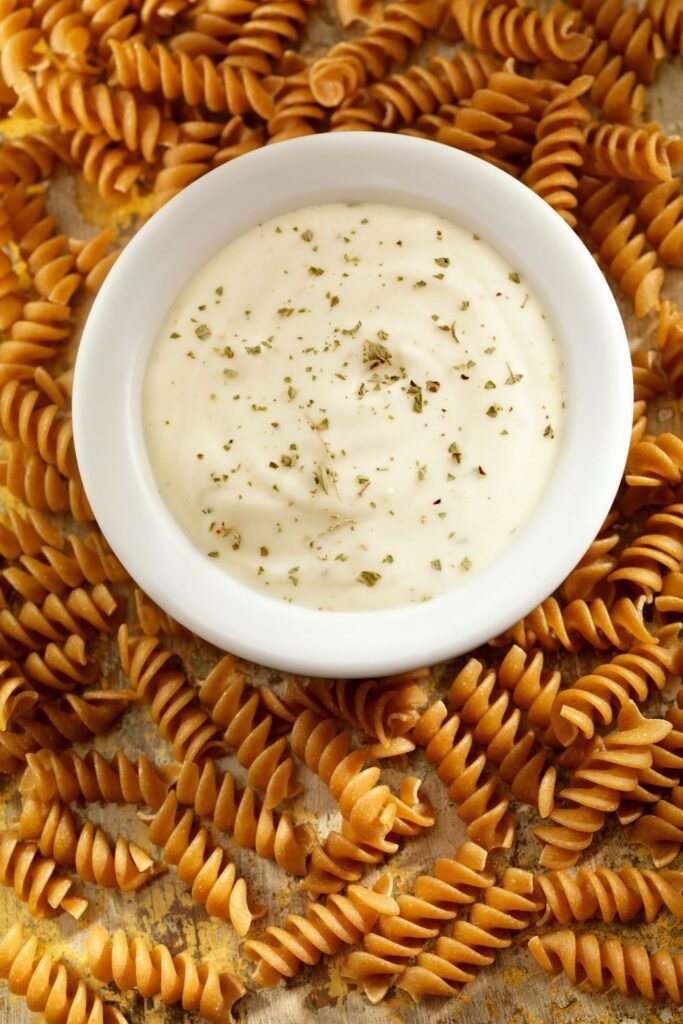
I’d argue that homemade Alfredo sauce is the pasta dish equivalent of a trust fall—you’re putting your faith in a handful of ingredients to create something creamy and elegant. Sure, you could grab a jar from the shelf, but once you see how quickly butter, cream cheese, and Parmesan transform into restaurant-quality sauce, you’ll wonder why you waited so long. The real question isn’t whether you can make it. It’s how you’ll customize yours.
Why You’ll Love this alfredo sauce
When you’re craving that silky, restaurant-quality coating that clings to every strand of pasta, this homemade version delivers without the fancy price tag or mysterious ingredients you can’t pronounce. I love how simple it is. Just butter, cream cheese, garlic, milk, and Parmesan—nothing pretentious.
You’ll appreciate the control you get here. Want it thicker? Skip the extra milk. Prefer it looser? Add more. The sauce comes together in minutes, and honestly, it tastes fresher than bottled versions. Plus, your kitchen smells incredible. Can homemade really beat takeout quality? Absolutely.
Also read: Homemade Pizza Dough Recipe: Easy Bread Machine Magic
What Ingredients are in alfredo sauce?
This homemade alfredo sauce requires just six simple ingredients that you likely already have in your kitchen. Each component plays a pivotal role in creating that luxurious, creamy texture and rich flavor that makes alfredo such a beloved pasta sauce. The beauty of making it from scratch is that you control the quality of every ingredient, ensuring a fresher and more authentic result than most store-bought alternatives.
- 1/2 cup butter
- 1 (8 ounce) package cream cheese
- 2 teaspoons garlic powder
- 2 cups milk
- 6 ounces grated Parmesan cheese
- 1/8 teaspoon ground black pepper
When selecting your ingredients, quality matters immensely. Use real butter rather than margarine for the best flavor, and opt for whole milk instead of lower-fat varieties to achieve the proper creamy consistency.
Freshly grated Parmesan cheese will yield a smoother sauce compared to pre-shredded versions, which often contain anti-caking agents that can make the sauce grainy. The cream cheese should be at room temperature or softened slightly before adding to the butter, which helps it incorporate smoothly without lumps. These ingredient choices directly impact how quickly your sauce comes together and how silky the final result will be.
How to Make this alfredo sauce
- Begin by melting 1/2 cup butter in a medium, non-stick saucepan over medium heat. Once the butter is melted, add 1 (8 ounce) package of cream cheese and 2 teaspoons of garlic powder to the pan.
- Using a wire whisk, stir the mixture continuously until it becomes smooth and well combined. This initial step is essential for preventing lumps and ensuring a silky base for your sauce. The medium heat prevents the butter from browning while allowing the cream cheese to soften and incorporate evenly.
- Gradually add 2 cups of milk to the saucepan, pouring it in slowly rather than all at once. Whisk constantly as you add the milk to smooth out any potential lumps and create a consistent texture.
- Once the milk is fully incorporated, stir in 6 ounces of grated Parmesan cheese and 1/8 teaspoon of ground black pepper. Continue stirring until the cheese is completely melted and the sauce reaches your desired consistency.
- Remember that alfredo sauce will thicken rapidly as it cooks, so monitor it closely and remove it from heat once you’ve achieved the thickness you prefer.
- If you find that your sauce has become too thick, you can thin it out by whisking in additional milk a little at a time until you reach the ideal consistency.
- Once the sauce is ready, toss it immediately with hot pasta to serve. The heat from the pasta will help the sauce coat each strand evenly, creating that classic creamy alfredo dish.
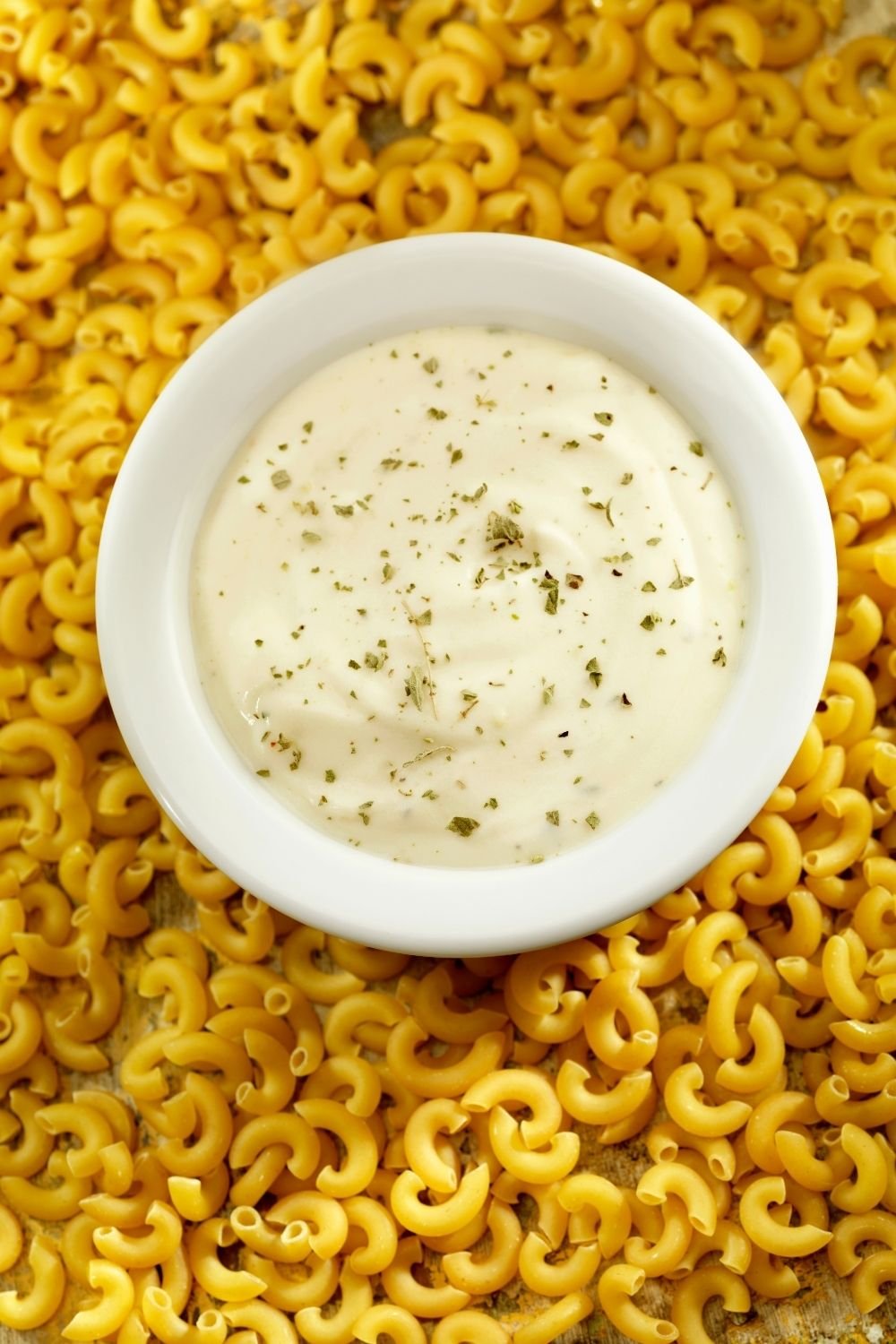
Silky Homemade Alfredo Sauce Recipe
Ingredients
Method
- Begin by melting 1/2 cup butter in a medium, non-stick saucepan over medium heat. Once the butter is melted, add 1 (8 ounce) package of cream cheese and 2 teaspoons of garlic powder to the pan.
- Using a wire whisk, stir the mixture continuously until it becomes smooth and well combined. This initial step is essential for preventing lumps and ensuring a silky base for your sauce. The medium heat prevents the butter from browning while allowing the cream cheese to soften and incorporate evenly.
- Gradually add 2 cups of milk to the saucepan, pouring it in slowly rather than all at once. Whisk constantly as you add the milk to smooth out any potential lumps and create a consistent texture.
- Once the milk is fully incorporated, stir in 6 ounces of grated Parmesan cheese and 1/8 teaspoon of ground black pepper. Continue stirring until the cheese is completely melted and the sauce reaches your desired consistency.
- Remember that alfredo sauce will thicken rapidly as it cooks, so monitor it closely and remove it from heat once you’ve achieved the thickness you prefer.
- If you find that your sauce has become too thick, you can thin it out by whisking in additional milk a little at a time until you reach the ideal consistency.
- Once the sauce is ready, toss it immediately with hot pasta to serve. The heat from the pasta
Notes
Alfredo Sauce Substitutions and Variations
Once you’ve mastered the classic alfredo, you’ll probably want to shake things up a bit, and honestly, that’s where the fun really starts. I like swapping regular parmesan for asiago or pecorino romano for a sharper kick. Want something lighter? I’d use half-and-half instead of milk. For a protein boost, I’d stir in cooked chicken, shrimp, or crispy bacon. Feeling fancy? Fresh nutmeg or white wine adds depth. Nutritional yeast works for a dairy-free version, though you’ll lose that creamy richness. The beauty here is flexibility—this sauce handles tweaks beautifully.alfredo sauce Substitutions and Variations
Once you’ve mastered the classic alfredo, you’ll probably want to shake things up a bit, and honestly, that’s where the fun really starts. I like swapping regular parmesan for asiago or pecorino romano for a sharper kick.
Want something lighter? I’d use half-and-half instead of milk. For a protein boost, I’d stir in cooked chicken, shrimp, or crispy bacon. Feeling fancy? Fresh nutmeg or white wine adds depth. Nutritional yeast works for a dairy-free version, though you’ll lose that creamy richness. The beauty here is flexibility—this sauce handles tweaks beautifully.
What to Serve with alfredo sauce
Now that you’ve got your alfredo sauce dialed in—whether you’re keeping it traditional or getting creative with your tweaks—the real question is what to serve it with, and I’m not just talking about pasta.
Sure, fettuccine’s the classic move, but I’d argue penne holds sauce better in those little tubes. Chicken breasts, shrimp, or roasted vegetables transform it into a complete meal. You could drizzle it over baked salmon for something fancy, toss it with roasted broccoli and garlic for vegetarian depth, or honestly, spoon it over steamed Brussels sprouts if you’re feeling adventurous.
Final Thoughts
Making homemade alfredo sauce isn’t some mysterious kitchen feat that’ll trip you up, and that’s the whole point. I find that mastering this sauce opens doors to countless dinner possibilities without breaking the bank. You’ll discover how simple ingredients transform into something restaurant-quality in minutes. The confidence you gain from nailing this technique transfers to other sauces too. Once you understand the basic principles—melting, whisking, tempering—you’re basically unstoppable in the kitchen. Store-bought versions can’t compete with what you’ll create at home. This sauce proves that impressive meals don’t require complicated steps or fancy equipment.